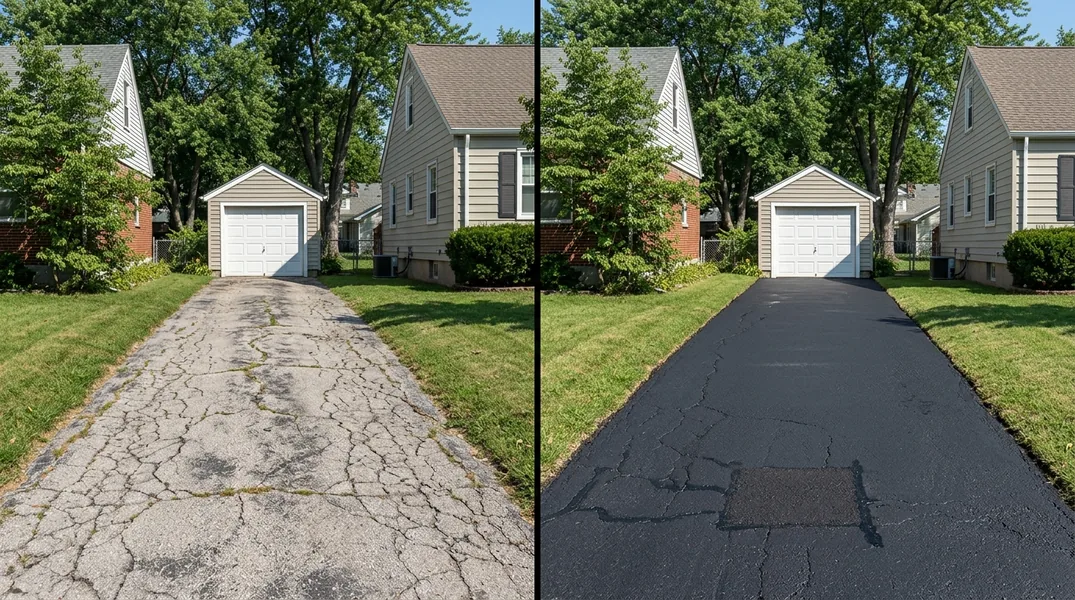
The Average Lifespan of an Asphalt Driveway in St. Louis
If you're a homeowner in St. Louis, you've probably wondered how long your asphalt driveway will actually last. The answer isn't as simple as a single number, but most well-maintained asphalt driveways can be expected to last between 15 and 20 years. Some high-quality installations with excellent care may even stretch to 25 years, while others may deteriorate more quickly depending on local conditions and maintenance practices.
The Asphalt Driveway Paving & Installation process itself sets the foundation for longevity. A properly installed driveway with adequate base preparation, correct compaction, and quality asphalt mix will naturally outlast one cut corners during installation. In the St. Louis area, where weather patterns include freeze-thaw cycles, heavy rainfall, and intense summer heat, understanding your driveway's expected lifespan helps you plan for maintenance and budget for eventual replacement.
How St. Louis Weather Impacts Your Asphalt Driveway Lifespan
The climate in St. Louis presents unique challenges for asphalt durability. The region experiences significant temperature fluctuations throughout the year, with cold, snowy winters and hot, humid summers. This constant expansion and contraction of asphalt creates stress on the material, leading to cracking and deterioration over time. When water seeps into these cracks during winter, it freezes and expands, widening the damage further in a process known as the freeze-thaw cycle. This is one of the primary reasons asphalt driveways in our region don't always reach their theoretical maximum lifespan.
Beyond temperature swings, St. Louis experiences heavy rainfall, particularly during spring months. Water is asphalt's enemy because it penetrates the surface and weakens the base layers underneath. Additionally, the intense summer heat can soften asphalt and cause it to become more susceptible to rutting and deformation, especially in areas where vehicles are parked for extended periods. UV rays from the sun also oxidize the asphalt binder, causing it to become brittle and lose its flexibility. Understanding these local weather patterns is crucial for homeowners who want to maximize their driveway investment and know when problems might emerge.
Key Factors That Determine When to Replace Your Asphalt Driveway
While 15 to 20 years is a general guideline, several specific factors influence whether your driveway will last longer or need replacement sooner. The quality of the original installation matters tremendously. A driveway installed with proper drainage, adequate asphalt depth (typically 2 to 3 inches), and a solid base will perform significantly better than one installed with shortcuts. The traffic load your driveway receives also plays a role; a driveway used by a family of four will last longer than one that serves as a commercial parking area or regularly bears heavy vehicle weight.
Maintenance history is perhaps the most controllable factor in determining asphalt driveway lifespan. Driveways that receive regular seal coating every two to three years, prompt Driveway Repair for cracks and potholes, and proper cleaning will outlast neglected surfaces by several years. The local soil conditions and drainage patterns around your driveway also matter. Poor drainage that allows water to pool and penetrate the asphalt will accelerate deterioration. Similarly, driveways in shaded areas may develop moss or algae growth that can trap moisture and weaken the surface. Climate exposure, the thickness of the asphalt layer, and even the type of asphalt mix used all contribute to the final lifespan of your investment.
Warning Signs Your Asphalt Driveway Needs Attention
Knowing the warning signs of asphalt deterioration helps you take action before small problems become major expenses. The earliest signs typically include fine cracks that look like spider webs or alligator skin across the surface. These cracks allow water to penetrate the asphalt layers, accelerating damage. If you notice these patterns, it's time to consider Asphalt Resurfacing & Overlay or seal coating to prevent further deterioration. Potholes are another clear indicator that your driveway is reaching the end of its serviceable life, though isolated potholes can sometimes be addressed with Pothole Repair & Asphalt Patching.
Other warning signs include significant rutting or depressions where water collects, large sections of surface deterioration, faded or gray appearance indicating oxidation and loss of protective binders, and soft or spongy spots that indicate base layer failure. If you're seeing multiple warning signs across different areas of your driveway, replacement is likely more cost-effective than continued repairs. Homeowners should also watch for oil stains and deterioration around the edges where drainage issues are common. If you're uncertain about the condition of your driveway, contacting St. Louis Asphalt Paving at (314) 916-3751 for a professional assessment can help you make an informed decision about whether repair or replacement makes the most sense for your situation.
Extending Your Driveway's Lifespan: Maintenance Tips for St. Louis Homeowners
The good news is that you can significantly extend your asphalt driveway's lifespan with consistent, proactive maintenance. The most important step is seal coating your driveway every two to three years. Seal coating acts as a protective barrier against water infiltration, UV rays, and chemical damage from salt and gasoline. In the St. Louis area, where weather is particularly harsh, this preventive measure can add years to your driveway's life and is far more affordable than dealing with major repairs or replacement later.
Beyond seal coating, keep your driveway clean and free from debris that can trap moisture. Promptly address small cracks with crack filler before they expand into larger problems. Avoid parking heavy vehicles in the same spot repeatedly, as this concentrates stress on the asphalt. During winter months, use sand or kitty litter for traction instead of salt when possible, as salt accelerates asphalt deterioration. Ensure proper drainage around your driveway so water doesn't pool or run toward the surface. These simple maintenance steps, performed consistently, can help your driveway approach or even exceed the 20-year mark. If you're unsure about the best maintenance plan for your specific driveway, St. Louis Asphalt Paving can provide professional guidance and help keep your investment in top condition.
Asphalt Driveway Paving & Installation Near Me: When to Call a Professional
When your driveway shows signs of significant deterioration or you're approaching the 15 to 20-year mark, it's time to consult with professionals who understand St. Louis weather and local soil conditions. A qualified asphalt contractor can assess whether your driveway needs repair, resurfacing, or complete replacement. Getting a professional opinion is particularly important because attempting DIY repairs on extensively damaged asphalt often leads to poor results that don't address underlying problems. Professional contractors have the equipment, materials, and expertise to deliver lasting solutions that will protect your property and maintain your home's curb appeal.
Whether you need a new Asphalt Driveway Paving & Installation, repairs to an aging surface, or maintenance recommendations, the team at St. Louis Asphalt Paving is ready to help. We understand the specific challenges that local weather presents and can design solutions tailored to your property. Contact us today at (314) 916-3751 or visit our website to request a free estimate. We'll evaluate your driveway's current condition, discuss your options, and provide honest recommendations about whether your existing driveway can be restored or if replacement is the best long-term investment for your home.
Looking for a professional asphalt paving contractor in St. Louis? St. Louis Asphalt Paving responds fast for all your asphalt paving needs.
Get a Free Quote